
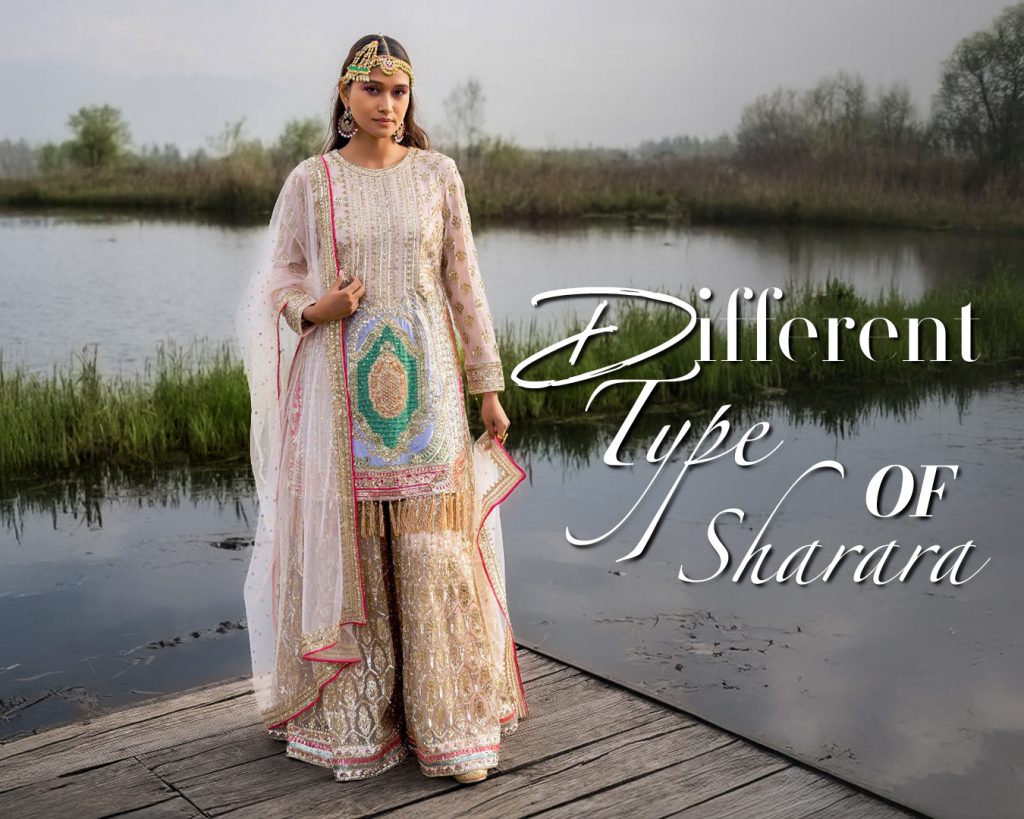
Sharara sets are one of those rare Indian traditional garments that blend traditional elegance with modern flair, making them perfect for a variety of occasions. Whether it is an elaborate wedding ceremony or an intimate housewarming pooja, the right type of sharara set makes you shine bright while keeping you comfortable.
From classic designs rooted in heritage to contemporary styles with bold cuts and embellishments, there’s a sharara for every mood and occasion. In this blog, we’ll explore the various types of shararas and what makes each one unique so that you can find the perfect fit for your personal style.
What Is a Sharara Suit?
A sharara is a traditional Indian garment featuring a kurta, wide-legged or flared pants, and a dupatta. These pants feature a unique skirt-like silhouette that flares out from the waist, creating a voluminous appearance. Originating during the Mughal era, the regal attire is best suited for celebratory occasions like weddings and festive events.
Classic Types of Sharara Suits
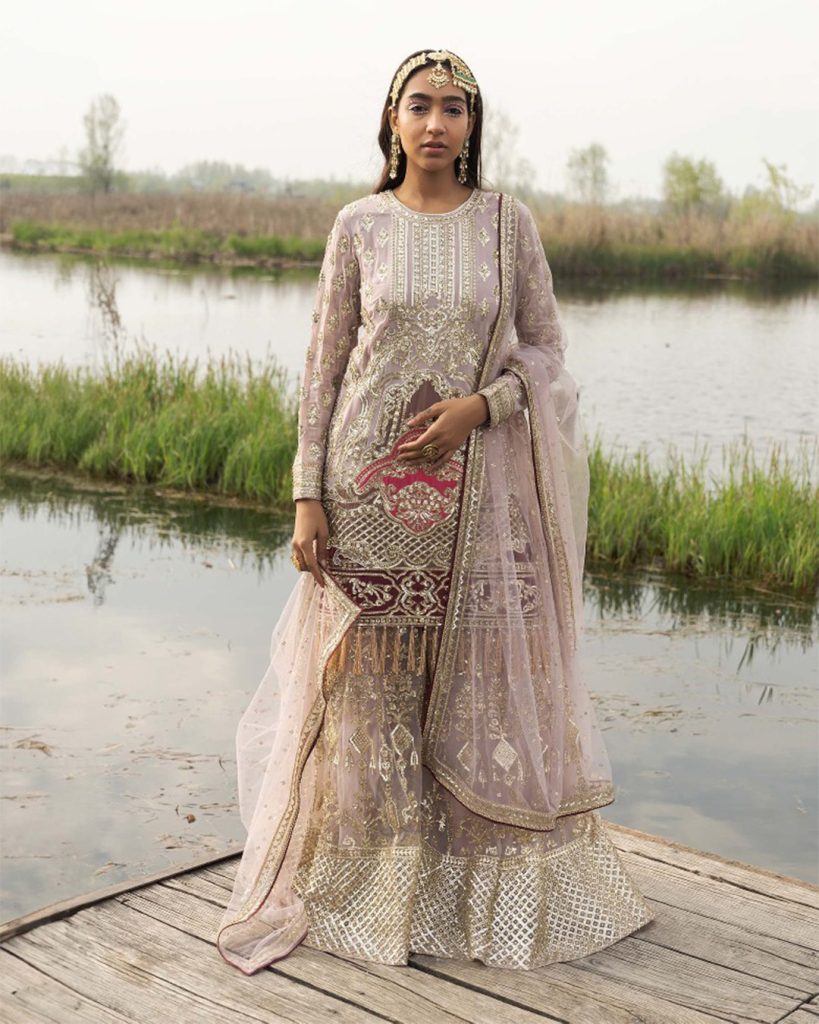
Traditional Sharara Suit
The traditional sharara suit features a timeless and classic silhouette that is almost similar to the original sharara suits worn during the royal era. These feature a skirt-like, flared pair of pants, often embellished or embroidered, a short or long kurta, and a dupatta. This combination creates an opulent silhouette that is best suited for celebratory occasions and events.
Long Kurta Sharara
A long kurta sharara is a graceful sharara option if you want to achieve a more traditional look. It specifically features a longer kurta, often reaching mid-thigh or sometimes even lower. It falls under the category of a regular sharara, just with a longer kurta.
Kalidaar Sharara
Simply stated, a kalidaar sharara is one that features multiple panels of cloth stitched together to create a voluminous sharara bottom. This type of sharara bottom is more popular for wedding shararas or bridal shararas, as they offer a majestic bridal look.
Modern and Indo‑Western Sharara Types
Modern Minimal Sharara Suit:
Unlike traditional sharara suits, which often feature heavy embroidery and embellishments, modern party sharara designs feature minimal or delicate detailing, like fine threadwork or light gota patti. The kurtas for this style are shorter and made from dreamy fabrics like tulle and chiffon for a lightweight appearance. The simpler design aesthetic of these sharara sets makes them highly versatile and appropriate for a wide range of occasions.
Jacket Style Sharara:
It is a modern iteration of the traditional sharara set and is more apt for the younger crowd. Unlike the traditional sharara set, this one features a sharara bottom, paired with a cropped top or short kurta, and an open long jacket for a modern look. These sharara sets often feature heavy embroidery and embellishments, making them appropriate for celebratory events like weddings, engagements, and reception parties.
Cape-Style Sharara:
A cape-style sharara set is another modern iteration of the traditional sharara suit, ideal for modern brides and bridesmaids. This style of sharara sets often comprises wide-leg sharara pants along with a cropped top, blouse or kurta and a cape. The cape is often made from a lightweight fabric, either printed or adorned with embellishments for a bedazzled look.
Crop‑Top Sharara Sets:
As the name suggests, a crop-top sharara set comprises a pair of sharara pants paired with a cropped top or cropped blouse. It is a modern take on the traditional attire, making it more adaptable for modern fashion enthusiasts. It is a fusion outfit combining traditional and modern trends, suitable for weddings, parties, and festivals.
Kurta Silhouettes Paired with Sharara
Anarkali Sharara:
An anarkali sharara set is a fusion traditional outfit that combines the majestic silhouette of anarkali kurtas with the regal flair of shararas to create an opulent garment. This combination offers a blend of traditional elegance and modern comfort, making it perfect for celebrations that require a lot of movement and dancing, like sangeet, engagement, and reception.
Angrakha Sharara:
The angrakha-style sharara features a specific type of kurta that comes from the Mughal era and features a unique wrap-around silhouette that is often tied at the side. An angrakha sharara set combines the popular kurta style with the comfort of sharara, creating an outfit that is traditional but still resonates with the fashion sensibilities of the modern crowd
A‑Line Kurta Sharara:
These sharara sets feature an A-line kurta that is fitted at the top and flares out a little toward the hemline, offering a breezy and flattering look. When picked in lighter fabrics and with minimal embroidery, this style can easily be styled for festive occasions and intimate gatherings at home.
Occasion‑Wise Sharara Suit Ideas
Sharara Suits for Pre‑Wedding Functions:
Sharara suits are a great pre-wedding outfit choice, as they offer both comfort and grandeur in one. Here is how you can choose a suitable sharara set for each occasion:
Mehendi:
Since it is a daytime event, choose lighter fabrics like chiffon, organza, georgette and cotton blends in occasion-appropriate colours like green, orange, pink and corals, with lightweight embroidery and fun prints.
Sangeet:
For the sangeet night, the aim is to look glamorous while staying light on one’s feet. Choose glamorous sharara options in deeper and metallic tones like emerald, navy, champagne and gold in fancier fabrics like satin, brocade and velvet for a bold evening look.
Haldi:
For a dreamy haldi look, printed sharara sets in bright yellows and oranges are a popular choice. Sharara sets made from flowy, lightweight fabrics like chiffon, organza, and tulle with multicoloured embroidery and sequin detailing complement the cheerful vibe of the occasion.
Sharara Suits for Weddings and Receptions:
For elaborate occasions like weddings and receptions, decked-up sharara sets with heavier embroidery styles are more apt. Heavier and rich-looking embroidery like zardozi, sequins, resham and gota offer a regal look. Traditional wedding sharara styles like straight-cut, anarkali, and long kurta are best suited for wedding day looks. However, for reception looks, you can experiment with modern fusion styles like cape and jacket sharara sets.
Festive and Family Get‑Together Sharara Looks:
For these occasions, lightweight embroidered sharara sets featuring subtle thread or resham embroidery offer a balanced look for intimate gatherings and occasions.
How to Style Different Types of Sharara?
Styling your sharara rightly can instantly elevate your overall look. Here are some key points for nailing your Sharara look every single time.
- Pick a suitable sharara set to match the occasion. Consider the venue, scale of the occasion, theme, weather, and time of day before selecting a sharara set. This way, you will be neither under- nor overdressed for the occasion.
- Do not skimp on jewellery. Statement jewellery pieces can elevate your look like no other. Chandbalis, polki necklaces, paasa, maang tikka, and bangles matching your outfit are a must.
- Choose between a dupatta, cape or jacket to achieve different looks. Dupattas help you achieve a more traditional look, while capes and jackets are best if you want a fusion look.
FAQs
What is a sharara suit, and how is it different from a gharara?
A sharara suit is a traditional Indian attire similar to a kurta set. But unlike regular kurta sets, sharara sets feature wide-leg pants that flare out from the waist and gradually flare out as they reach the hemline. Compared to sharara sets, gharara bottoms feature a distinct silhouette which is fitted on the thigh and dramatically flares out from the knee. It features a gathered or ruched look at the knee, which is the key characteristic differentiating the two. Read our blog explaining the difference between sharara and gharara for a thorough explanation.
Which type of sharara suit is best for weddings, festivals, or small family functions?
Each of these occasions requires a different type of sharara set to look appropriately dressed. For example, traditional-style sharara sets made from luxurious fabrics featuring heavy embroidery are more suitable for elaborate occasions like weddings. However, for festivals and small gatherings, lightweight sharara sets with threadwork embroidery and sequin work are the best picks.