
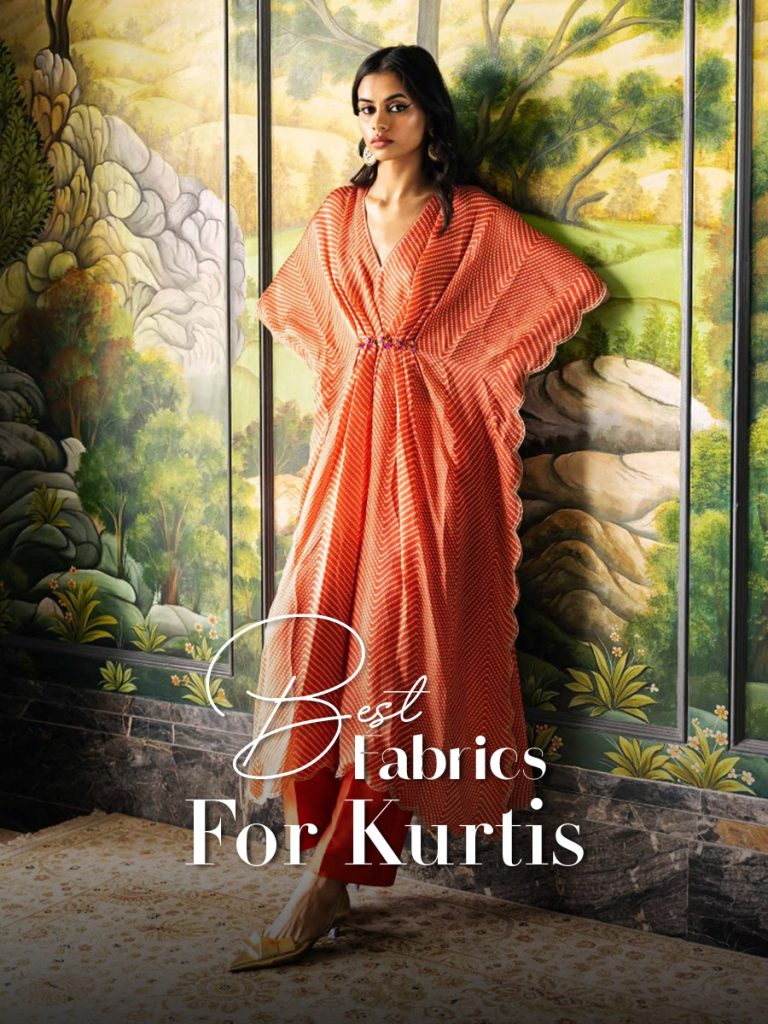
Choosing the right fabric for a kurti goes beyond mere aesthetics, as it shapes how comfortable you feel, how the garment drapes, and how well it adapts to changing seasons. From breathable cottons that keep you cool in the summer to rich silks that elevate festive looks, each fabric has its own character and functionality.
A well-informed choice balances style with practicality, ensuring that your kurti not only looks elegant but also feels effortless to wear throughout the day. This guide explores the best fabrics for kurtis, helping you navigate options that align with comfort, occasion, and climate.
Best Fabric for Kurti by Season & Occasion
Choosing the right fabric for your luxury kurti can make a big difference in both comfort and style, depending on the season and occasion. From breathable options like cotton for everyday wear to elegant choices like silk for special events, the fabric sets the tone for your outfit.
Daily Wear & Office Wear Kurti Fabric Material
Cotton
It is one of the most popularly used fabrics for making kurtis due to its easy-to-style aesthetic and versatility. The lightweight and breathable fabric is best for daily wear during long work hours, especially in the summer season, as it allows uninterrupted airflow. It is also skin-friendly and absorbs sweat, keeping you cool and dry. Cotton kurtas can be explored in a plethora of options, ranging from minimal everyday wear to sophisticated ones for office wear.
Linen
Another great fabric option for everyday kurtis is linen, as it offers superior breathability and moisture-wicking properties. Linen is a 100% natural fabric, made from flax fibres, offering a relaxed and refined vibe, perfect for office wear. The loose weave allows air to pass unrestricted, keeping you cool and dry during hot summer days. Since linen drapes so well in a relaxed fit, it’s worth exploring different ways to style a loose kurta to make the most of its breathable, easy-going structure. Linen kurtas are best explored in solid hues with minimal embroidery or detailing to keep up with their sophisticated vibe.
Muslin
It is a soft, lightweight, breathable, woven cotton fabric known for its versatility and airy texture. These kurtis are designed for comfort and elegance, often featuring digital prints or traditional techniques like chikankari or jamdani. These kurtas are best styled for office wear, offering a breezy style and offering comfort for the entire day.
Rayon
Rayon is a summer-friendly kurti fabric material that has a smooth, flowy drape compared to cotton and linen. It’s a semi-synthetic fabric made from natural cellulose fibres. Slightly dressy, the fabric is the ideal pick for everyday office wear, offering comfort and versatility. Compared to cotton, rayon does not wrinkle as easily and is fairly affordable compared to silk and linen.
Blends
Fabric blends like cotton-modal, cotton-linen, and cotton-rayon are excellent choices for office-wear kurtis during summer. These fabric blends are soft on the skin and offer a comfortable feel for everyday wear. For maximum breathability during the summer season, cotton-linen is a superb choice. The wrinkle-resistant quality of these blends makes these kurtas better options for everyday wear compared to pure cotton or linen.
Festive, Party & Wedding Kurti Fabrics
Silk
For festive and party-wear kurtis, silk is one of the best fabric choices, offering a regal texture and elegant drape. The natural sheen of silk instantly elevates the look of the kurta, blending well with traditional zariwork, crystal embroidery and other popular embroidery styles. For more elaborate occasions like weddings and pre-wedding events, heavier silk options like Banarasi or Kanjeevaram silk are more suitable. The luxurious kurti cloth material is fairly breathable, making it suitable for varying climates and seasons.
Georgette
If you want to achieve a dreamy, festive kurta look, opt for a georgette kurta. The lightweight fabric offers a beautiful drape and can be worn comfortably for long events like weddings and parties. The fabric beautifully carries all sorts of threadwork, embroidery, and embellishment details, making it a sturdy yet party-appropriate fabric. However, it is not the most recommended fabric for very hot and humid climates.
Chiffon
Chiffon is known for being one of the most lightweight and flowy fabric choices for kurtis, especially for summer weddings and parties. The semi-sheer fabric offers a feminine, graceful and elegant aesthetic, suitable for party wear as well as everyday wear. However, the delicate nature of the fabric does not allow for heavy embroidery or embellishments and is best explored with digital prints and lightweight embellishments.
Types of Fabrics for Kurtis
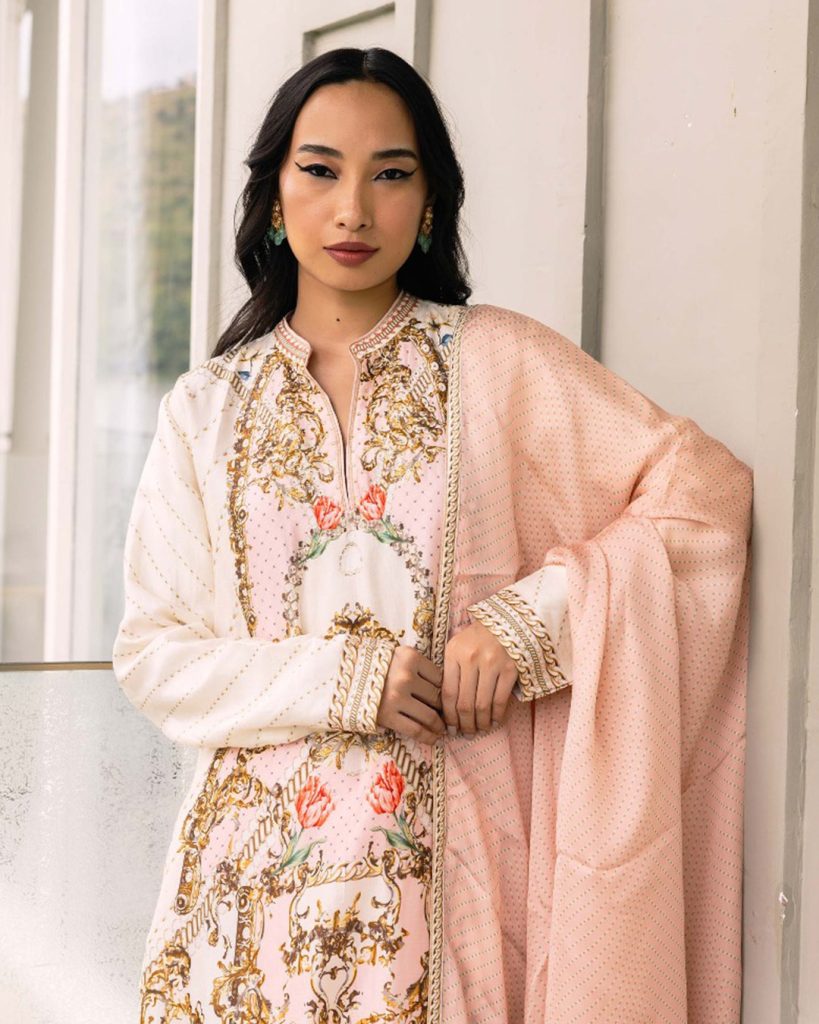
Natural Kurti Fabric Types
Cotton: A soft, breathable fabric ideal for everyday wear, especially during the summer season.
Linen: A loosely woven, textured fabric suitable for office and casual summer wear.
Silk: A smooth and luxurious fabric with a natural sheen suitable for formal wear and bridal kurtis.
Wool: A warm and cosy fabric choice for colder months, often used in a blended option.
Semi-Synthetic & Synthetic Kurti Fabrics
Georgette: A durable synthetic fabric choice for festive and party-wear kurtis with heavy embroidery and embellishments.
Chiffon: A lightweight, sheer fabric with a flowy drape, perfect for minimal, festive kurtis.
Viscose: Made from wood pulp or cellulose, this semi-synthetic fabric is known for its soft, breathable texture and luxurious drape.
Polyester: It is a petroleum-based synthetic fabric that is durable and wrinkle-resistant, offering low-maintenance kurti fabric.
Rayon: Made from plant-based cellulose, the fabric is also known as artificial silk for its soft, breathable and comfortable drape.
Match Fabric With Weather & Use
Hot and humid weather: Opt for breathable and sweat-friendly fabric like cotton, linen and rayon.
Cool or mild weather: Choose fabrics that offer moderate warmth, such as silk blends, light wool, and thicker rayon.
Festive/party wear: Choose visually rich and luxurious fabrics like silk, chiffon, and georgette.
Daily/office wear: Easy to maintain, comfortable and breathable fabrics like cotton, viscose and rayon are best suited.
Comfort, Skin & Lifestyle Consideration
Sensitive skin: Fabrics made from natural fibres like cotton and linen are best suited for sensitive skin, as they are gentle and less irritating.
Low maintenance needs: Kurti fabrics like polyester and other blended options are less prone to wrinkles, making them ideal for everyday wear.
Sweat and activity levels: For those who stay outdoors a lot, breathable fabrics like cotton and rayon are suggested.
Style preferences: If you like structured silhouettes, cotton and linen are recommended. However, for a flowy and elegant look, chiffon and georgette are recommended.
Kurti Fabric Care & Maintenance Tips
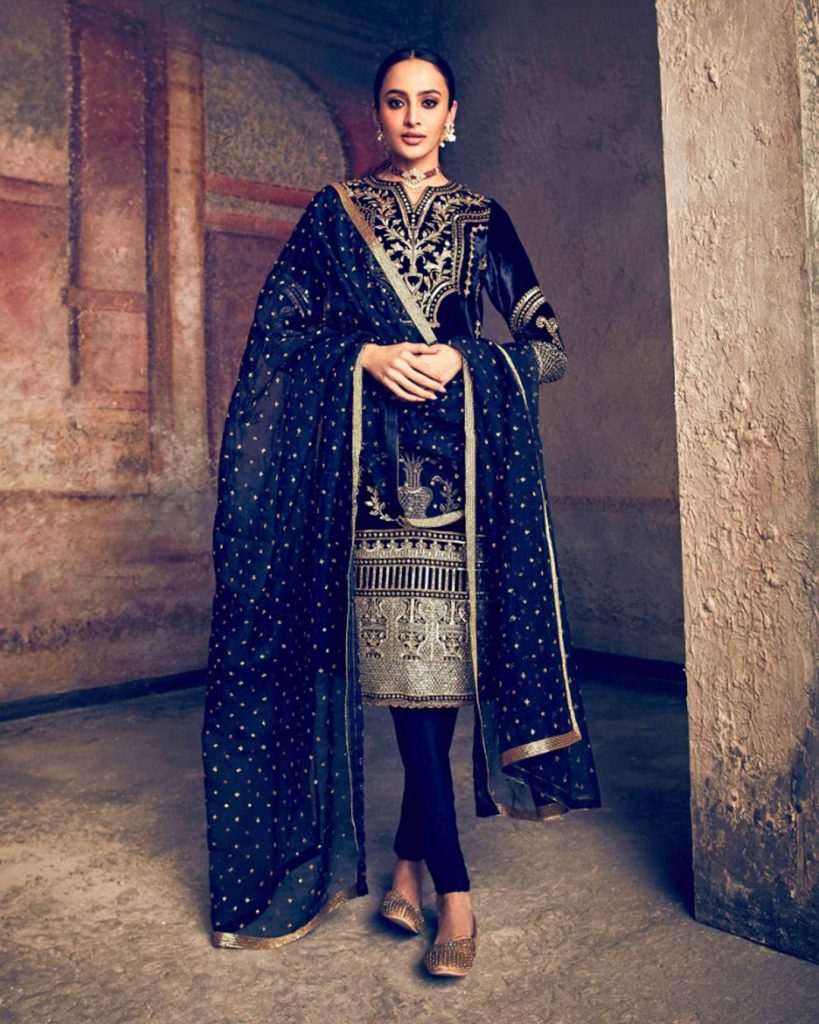
For natural fabrics like cotton, linen, silk, and wool.
Washing: For natural fabrics, hand washing or a gentle machine cycle using cold or lukewarm water and a mild detergent is recommended.
Drying: Air drying in the shade is recommended to avoid fading of colour. It is also recommended to dry silk and wool laid flat on a surface.
Ironing: Cotton and linen can take up higher heat and should be ironed using suitable temperatures. Silk and wool, on the other hand, are best ironed at a low setting or steamed.
For synthetic and semi-synthetic kurti fabrics like rayon, viscose, polyester, chiffon, and georgette.
Washing: It is generally recommended to machine wash these kurtis using cold water on a gentle cycle. Strong detergents are restricted for delicate fabrics like chiffon and georgette.
Drying: Air drying under shade is recommended. Avoid high-heat dryers, as they can damage the fibres.
Ironing: Low-heat ironing is recommended. Some of these fabrics are wrinkle-resistant and require minimal ironing. Steam ironing is also suitable for these fabrics.
FAQ’s
Which fabric is the overall best fabric for a kurti for daily wear in India?
Without a doubt, cotton is one of the best fabrics for daily-wear kurtis. It is a natural fabric that is lightweight and breathable for everyday wear.
Is cotton or rayon better for office kurtis in hot weather?
Out of the two, cotton is a more preferred fabric choice for office kurtis, especially during hot weather.
Which kurti fabric is best for summer weddings?
For summer weddings, lightweight and breathable fabrics like cotton, mulmul, linen and chanderi silk are most suitable.
What is the most comfortable kurti fabric for sensitive skin?
For sensitive skin, some of the most comfortable and recommended kurti fabrics are made from natural materials, are soft to the touch, and are free from harsh chemicals.
Which types of fabrics for kurtis are easiest to maintain at home?
Cotton blends, rayon, georgette, and synthetic crepe are some of the fabrics that are best for everyday wear and are easy to maintain at home.