
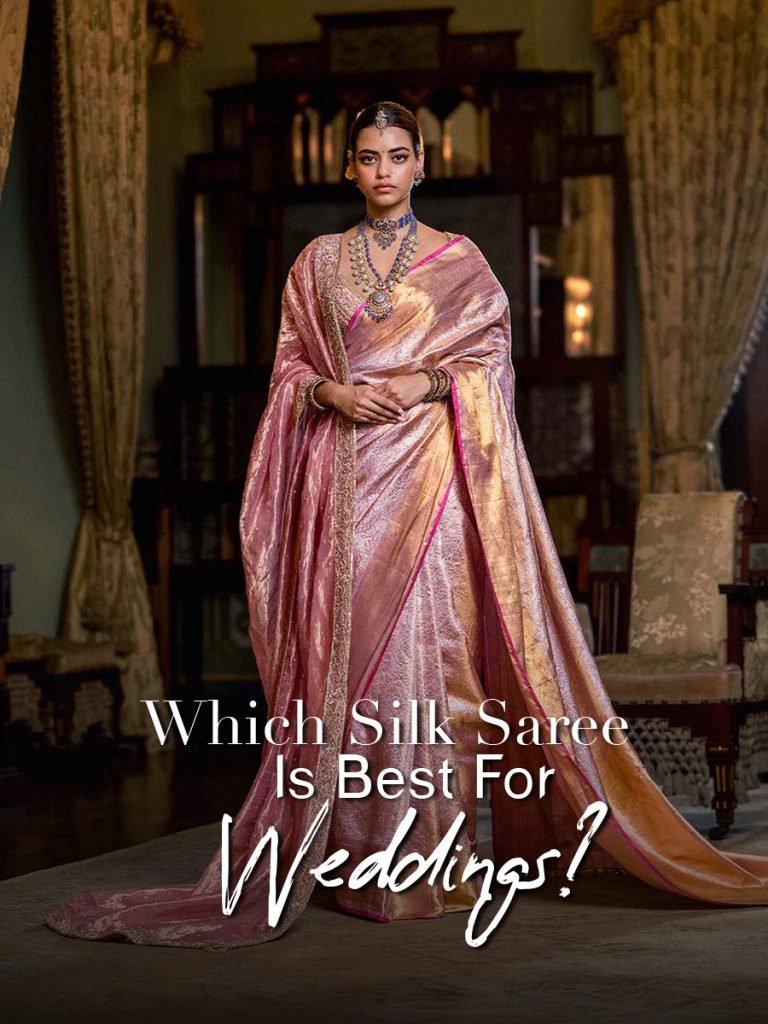
Silk sarees have always been a timeless choice for Indian weddings, as they offer the perfect blend of elegance, tradition, and luxury. Whether you’re a bride, bridesmaid, or wedding guest, choosing the right silk saree can elevate your entire look and make the occasion even more special.
From classic Banarasi and Kanjeevaram weaves to modern designer silks, there are countless types of sarees available to suit every style and preference. Among the trending designer sarees for wedding celebrations in 2026, richly woven silk sarees in jewel tones, pastel hues, and contemporary designs continue to dominate bridal fashion, making them a favourite choice for grand wedding events.
The Best Silk Sarees for a Wedding
A wedding is one of the most significant occasions in life, and the saree chosen for the ceremony often reflects heritage, tradition, and personal style. Silk sarees have long been the preferred choice for brides and wedding attendees because of their luxurious texture, rich craftsmanship, and timeless elegance. Among the wide varieties available, Kanjivaram, Banarasi, Paithani, and Patola stand out as some of the most prestigious and cherished silk sarees in India.
For the Wedding Muhurtham / Main Ceremony
Kanjivaram Silk Saree
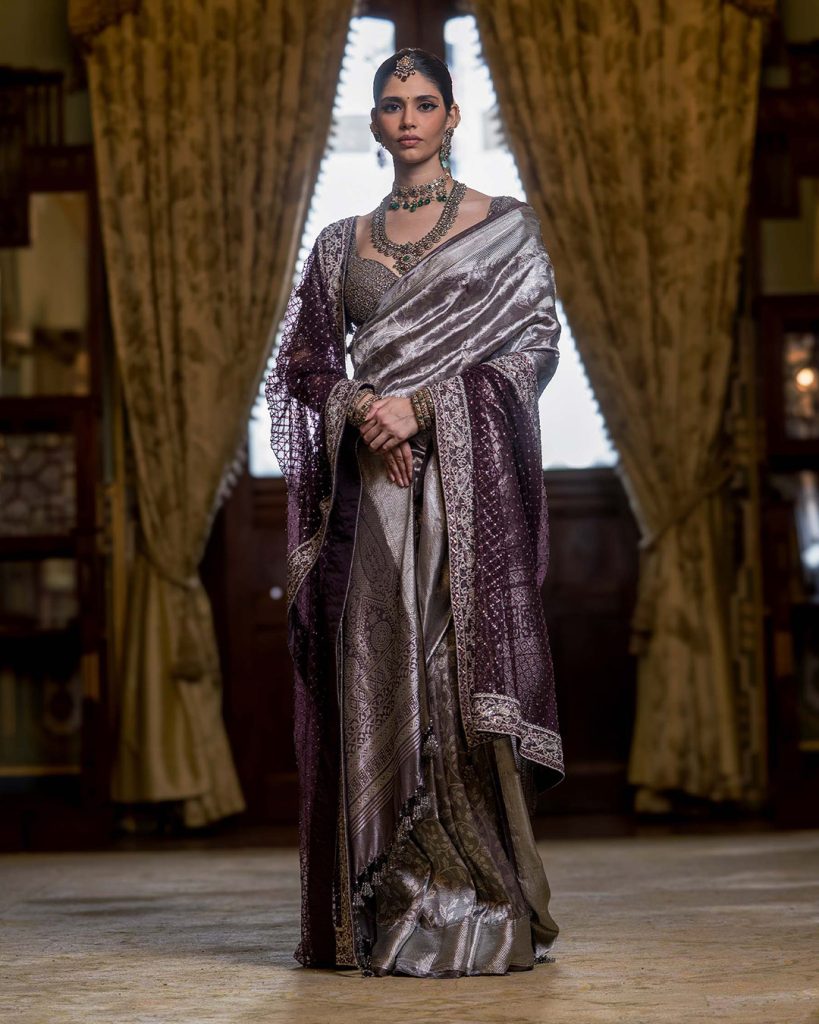
When it comes to wedding silk sarees, Kanjivaram sarees are considered the gold standard in the southern parts of India. Originating from the temple town of Kanchipuram, these sarees are woven from premium-quality mulberry silk. While shoppers often search for the Kanjivaram vs Kanchipuram saree comparison, they are essentially the same heritage craft renowned for their vibrant colours and durability.
What Makes Kanjivaram Saree Special?
These sarees have a natural luxurious sheen and feature an extensive use of gold and silver zari throughout the weave.
Ideal for Weddings
Kanjivaram sarees are the obvious choice for South Indian brides, as they symbolise prosperity, tradition, and grandeur. Sarees in deep shades like red, maroon, green, royal blue, and pink paired with intricate gold zari are often considered the best colour for wedding saree choices for brides.
Banarasi Silk Saree
Originating from the city of Banaras, these silk sarees are loved for their exquisite brocade weaving. These have long been associated with royalty and are among the most loved and treasured wedding silk sarees in North India.
What Makes a Banarasi Saree Special?
These luxury bridal sarees feature Mughal-inspired patterns showcasing rich textures and elaborate craftsmanship. The brocade work uses real gold and silver threads to achieve intricate designs and detailing.
Ideal for Weddings
The timeless appeal and the luxurious detailing make Banarasi the best saree for weddings. Traditional bridal colours like red, pink, wine, green, and gold are most preferred for a royal bridal look.
Paithani Silk Saree
A Paithani saree is the traditional wedding attire for Maharashtrian brides. Named after the town of Paithani, these sarees are loved for their vibrant colours and distinctive handwoven motifs like lotus, peacocks, and parrots.
What Makes Paithani Saree Special?
These sarees are handwoven, featuring pure zari borders and richly decorated pallus. They feature stunning vibrant colour combinations achieved through traditional dyeing techniques.
Ideal for Weddings
For Maharashtrian brides, a Paithani is the first wedding attire choice. The elaborate detailing and vibrant colours make these the ideal pick for wedding ceremonies and engagement functions.
Patola Silk Saree
Patola silk sarees originated in Patan, Gujarat, and are among the most labour-intensive and exclusive saree styles to exist. These sarees are crafted using the double-ikat technique, where every thread is dyed before weaving, creating a perfectly aligned pattern on both sides of the fabric.
What Makes Patola Saree Special?
The intricate floral, geometric, and symbolic motifs are created using the complex double-ikat weaving technique that requires exceptional precision and craftsmanship.
Ideal for Weddings
Patola sarees are nothing less than a prized possession considering the artistic value associated with them. Brides who want to experience heritage craftsmanship often pick Patola designer sarees for their wedding.
For the Reception & Post-Wedding Functions
Looking for elegant wedding and reception saree ideas? Lightweight silk sarees such as Mysore Silk, Banarasi Khaddi, Tissue Silk, and Soft Kanjivaram sarees are among the most popular choices for modern brides. These sarees offer the perfect balance of sophistication, comfort, and glamour, making them ideal for wedding receptions and post-wedding celebrations.
Mysore Silk Saree
Originating from the city of Mysore in Karnataka, Mysore silk sarees are renowned for their luxurious texture, timeless appeal, and understated elegance. These sarees are woven using premium quality silk and are characterised by their lightweight drape, smooth finish, and subtle zari work.
What Makes Mysore Silk Special?
Unlike heavily embellished weaves, Mysore silk sarees are known for their simplicity and refined craftsmanship. Their lightweight nature makes them exceptionally comfortable while maintaining a regal appearance.
Ideal for Weddings
Mysore silk sarees are the best sarees for weddings, especially for brides who prefer classic elegance and sophistication. These sarees are well-suited for receptions, intimate weddings and post-wedding celebrations.
Soft Silk / Kanjivaram Light Weaves
If you want to experience the same regal sheen of a Kanjivaram without the additional weight, then soft silk and Kanjivaram sarees are the ideal pick for you. These sarees offer the same classic aesthetic while offering greater comfort for extended celebrations.
What Makes Soft Silk / Kanjivaram Light Weaves Special?
These sarees often feature the signature temple-inspired motifs, rich colour combinations, and intricate borders, but with a softer texture and lighter construction. The result is a premium party-wear saree that combines modern practicality with traditional grace, making it easy to carry throughout the day.
Ideal for Weddings
For brides seeking the richness of heritage silk without the heaviness of conventional bridal weaves, soft-silk and light-weave sarees are an excellent pick. Their timeless appeal and elegant drape make them particularly suitable for engagement ceremonies, receptions, and post-wedding functions.
Banarasi Georgette Khaddi Saree
It is a traditional luxury handloom weaving technique where highly twisted, pure silk yarns are handwoven into lightweight, sheer, and flowy fabrics like chiffon and georgette, using a traditional pit loom called “khaddi”. Unlike classic, heavy Banarasi sarees, khaddi fabrics blend regal appearance with an airy, effortless drape.
What Makes Banarasi Khaddi Special?
These sarees are loved for their graceful drape and intricate woven motifs, enhanced by zari detailing. These lightweight sarees often feature classic floral, paisley, and Mughal-inspired motifs that reflect the legacy of Banarasi weaving.
Ideal for Weddings
These sarees are perfect for brides who want to blend tradition with comfort. The refined, handcrafted charm is best suited for intimate wedding events and post-wedding ceremonies. The timeless appeal of these sarees ensures that they remain a treasured addition to any bridal wardrobe.
For the Modern Bride
Organza Silk Saree
Organza silk sarees are best known for their lightweight texture, sheer appearance, and effortless drape. Woven from fine silk threads, these sarees offer a delicate yet festive look that is ideal for contemporary modern brides.
What Makes Organza Silk Special?
The translucent fabric offers an airy feel and subtle sheen that creates an effortlessly elegant appearance. These sarees often feature intricate embroidery, floral motifs, sequins and delicate embellishments that add a regal touch without overwhelming the look.
Ideal for Weddings
Organza sarees are an undisputed choice for modern brides who prefer understated elegance. The lightweight texture ensures comfort during long celebrations while maintaining a dreamy, festive aesthetic for wedding ceremonies, receptions, and pre-wedding functions.
Tissue Silk Saree
The luminous finish and rich texture of tissue silk sarees make them stand out. Crafted by weaving silk threads with metallic zari, these sarees feature a distinctive shimmer that exudes refinement and grandeur.
What Makes Tissue Silk Special?
The lightweight texture and blend of zari with silk create a luminous finish that makes these sarees stand out. The metallic sheen captures the light beautifully, making it appear lustrous and vibrant.
Ideal for Weddings
Tissue sarees are ideal for brides seeking a regal yet modern vibe. The luxurious sheen and effortless drape make them an ideal pick for receptions and festive celebrations.
Tussar Silk Saree with Embroidery
Tussar silk sarees are prized for their natural sheen, rich texture, and artisanal charm. The addition of intricate embroidery and embellishments further enhances their beauty, offering a blend of traditional craftsmanship and modern elegance.
What Makes Tussar Silk with Embroidery Special
Tussar silk sarees feature a unique textured weave that offers a distinctive character to the saree. When coupled with intricate embroidery details, it offers a dressier option to wear at elaborate events.
Ideal for Weddings
Tussar silk sarees with embroidery are perfect for brides who want to mix heritage textiles with a modern touch. Their unique texture paired with handcrafted detailing makes them a sophisticated choice for traditional ceremonies, intimate weddings, and other celebratory events.
How to Choose the Best Saree for Your Wedding?
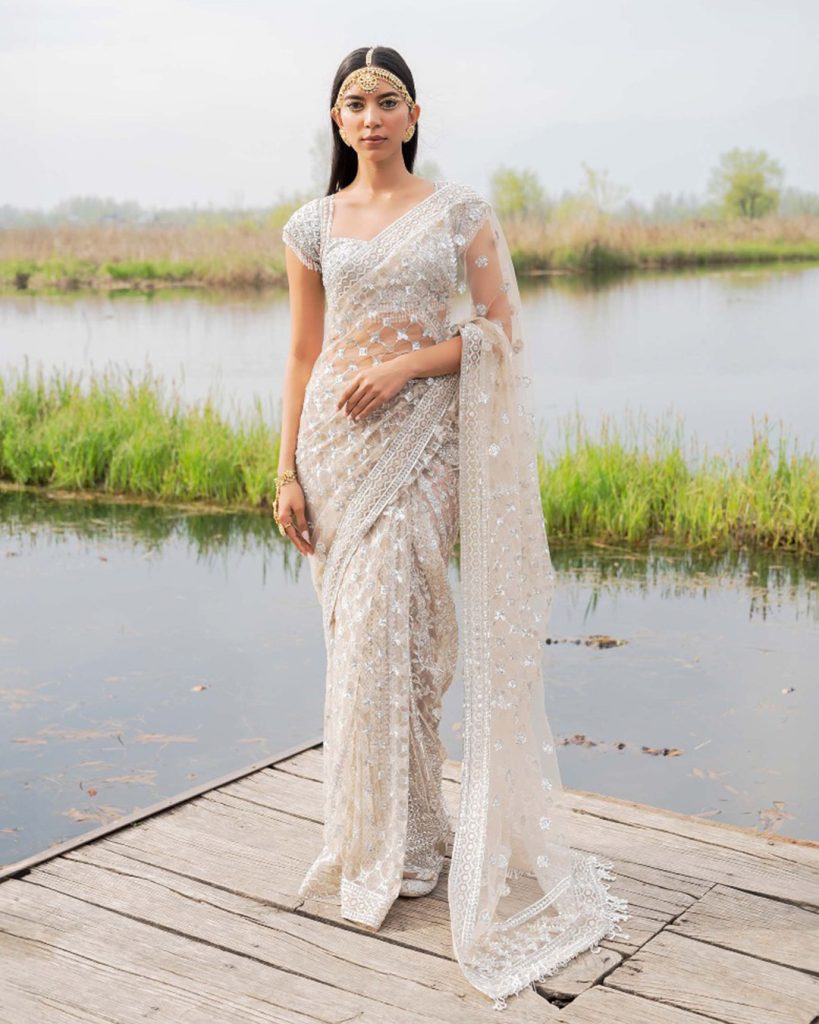 Choosing the best saree for your wedding depends on your style, the wedding ceremony’s theme, the season, and the venue. Here are the key factors you need to consider:
- Match the saree to the wedding function: For the wedding ceremony, choose a traditional silk saree like a Kanjivaram, Banarasi, or Paithani. For other events like the reception, haldi or sangeet, you can choose more contemporary options like organza, tissue, or tussar silk.
- Coordinate jewellery and blouse design: The final look of the saree relies significantly on the blouse and jewellery design. More traditional blouse designs paired with classic jewellery styles like temple and kundan create the perfect look for the wedding day. For a contemporary look, opt for modern blouse designs like bralettes and off-shoulders paired with suitable jewellery to create a cohesive look.
- Consider the season: There are heavy silk sarees like Kanjivaram and Banarasi that are more suitable for the colder months. For hot and humid weather, lightweight options like organza and Banarasi khaddi sarees are better picks.
- Pay attention to the border and work: Consider the occasion and the look you are aiming to achieve. Heavily embellished sarees make a strong bridal statement, while woven designs offer timeless elegance. Look for zari weaving, hand embroidery, threadwork, traditional motifs, and elaborate stone and sequin work, and decide which one will suit your purpose.
Trending Sarees for Weddings in 2026
Some of the most trending saree designs for 2026 blend heritage craftsmanship with lightweight fabrics and modern drapes.
Wedding saree trends in 2026 are blending heritage craftsmanship with lighter fabrics, modern drapes, and refined luxury. The focus is less on heavy embellishment and more on elegant textures, statement weaves, and wearable glamour.
Top Wedding Saree Trends For 2026
Tulle Wedding Sarees: Tulle saree continues to be one of the most sought-after fabrics for receptions and daytime weddings. Brides love its lightweight feel, structured drape, and dreamy appearance.
Traditional Silks: Classic silk sarees are making a strong comeback, especially Banarasi, Kanjeevaram, and Patan Patola sarees. Brides are choosing heritage weaves in modern colour palettes such as sage green, plum, ivory, and champagne gold.
Pre-Draped Sarees: For cocktail parties, receptions, and destination weddings, pre-stitched sarees are becoming extremely popular. They offer effortless styling while maintaining a traditional look. However, regular sarees can also be worn in different draping styles for an effortless and regal look.
Pastel Bridal Sarees: Blush pink, lavender, mint green, peach, and powder blue remain popular for daytime ceremonies, engagement functions, and receptions.
Rich Jewel Tones: Emerald green, ruby red, wine, maroon, and deep plum are among the standout colours for evening weddings and bridal looks.
FAQ’s
Which silk saree is best for a South Indian wedding?
South Indian brides usually prefer Kanjivaram and Mysore silk sarees over other silk saree options.
Which is better for a wedding, Kanjivaram or Banarasi?
Both Kanjivaram and Banarasi silk sarees are ideal wedding sarees. Kanjivaram silk sarees are more popular among South Indian brides, while Banarasi silk sarees are preferred by North Indian brides.
Can I wear a Mysore silk saree as a bridal saree?
Of course, you can wear Mysore silk sarees as a bride, especially if you love a minimal, understated, and elegant aesthetic.
What is the most trending saree for weddings in 2026?
For the year 2026, some of the most trending saree styles emphasise modern silhouettes, lightweight comfort, and pastel hues. Some of the seasonal favourites, however, include pastel organza sarees, pre-draped fusion sarees, and light-weave Kanjivaram sarees for traditional ceremonies.
How do I identify a pure silk saree before buying?
There are some efficient and quick ways to determine if a saree is made of pure silk. Check for the official government silk mark label, ask for a GI (Geographical Indication) tag for heritage weaves, and perform a quick burn test.
Which silk saree is good for both the wedding and reception?
The best silk sarees for both weddings and receptions are Banarasi and Kanjivaram silk sarees. These elaborate silk sarees feature rich gold zari and heavy brocade detailing, creating regal and occasion-appropriate looks.