
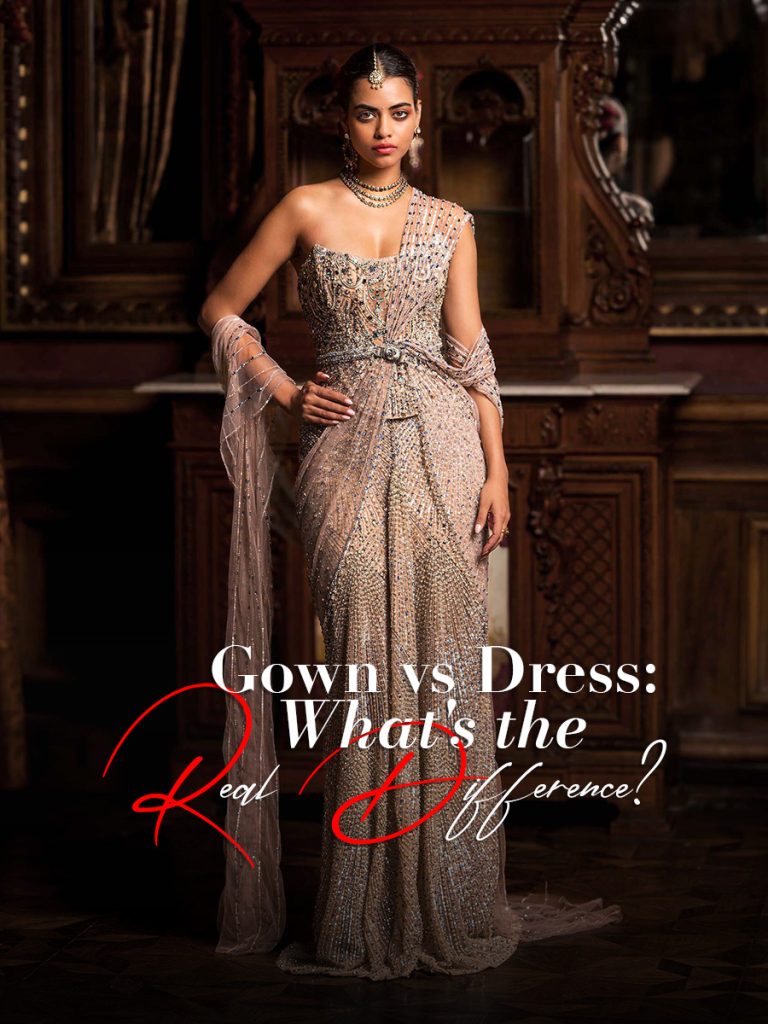
When it comes to choosing the right outfit, the difference between a gown and a dress can sometimes be confusing. While both are popular types of women’s clothing, they differ in style, length, structure, and the occasions they are designed for.
Dresses can range from casual everyday wear to formal outfits, whereas gowns are typically longer, more elegant, and associated with special occasions. Understanding these differences can help you choose the right outfit for weddings, parties, formal events, or everyday wear.
What Is a Dress?
A dress can be defined as a women’s one-piece garment that includes a bodice covering the torso and an attached skirt varying in length. There are various elements that make up a dress, such as:
Bodice: The top portion of the dress that covers the chest, waist, and shoulders.
Waistline: The part at the waist where the bodice and skirt are stitched together. Depending on the dress’s silhouette, it may sit at the natural waist, above it, or below it.
Skirt: The skirt part of the dress can be fitted, straight, gathered, pleated, or flared based on the dress style.
Neckline: The neckline of a dress is the shape around the neck, like V-neck, boatneck, square, sweetheart, halter neck, etc.
Sleeves: These may be long, short, bell, puffed, sleeveless, or off-the-shoulder.
Hemline: The bottom edge of the dress, called the ‘hemline’, can range from very short to floor-length.
Different Types Of Dresses
Dresses can be classified based on their length, silhouette, fabric, style, and purpose. Here are some of the most popular ones:
Mini dress: This one is a short dress with a hemline that sits much above the knee, around mid-thigh.
Midi dress: A midi dress features a longer hemline that falls anywhere along the calf area, above the ankle.
Maxi dress: It is a full-length dress, often grazing ankles or reaching floor-length.
A-line dress: A classic dress silhouette, this one features a fitted bodice that gradually flares out from the bust down or the waist to create a shape that mimics the capital letter “A”.
Bodycon dress: A bodycon dress features a form-fitting silhouette that is often made from stretchable fabrics like spandex, jersey, or elastane.
Shirt dress: A shirt dress resembles a shirt, as it borrows its design details from a classic button-down shirt.
What Is a Gown?
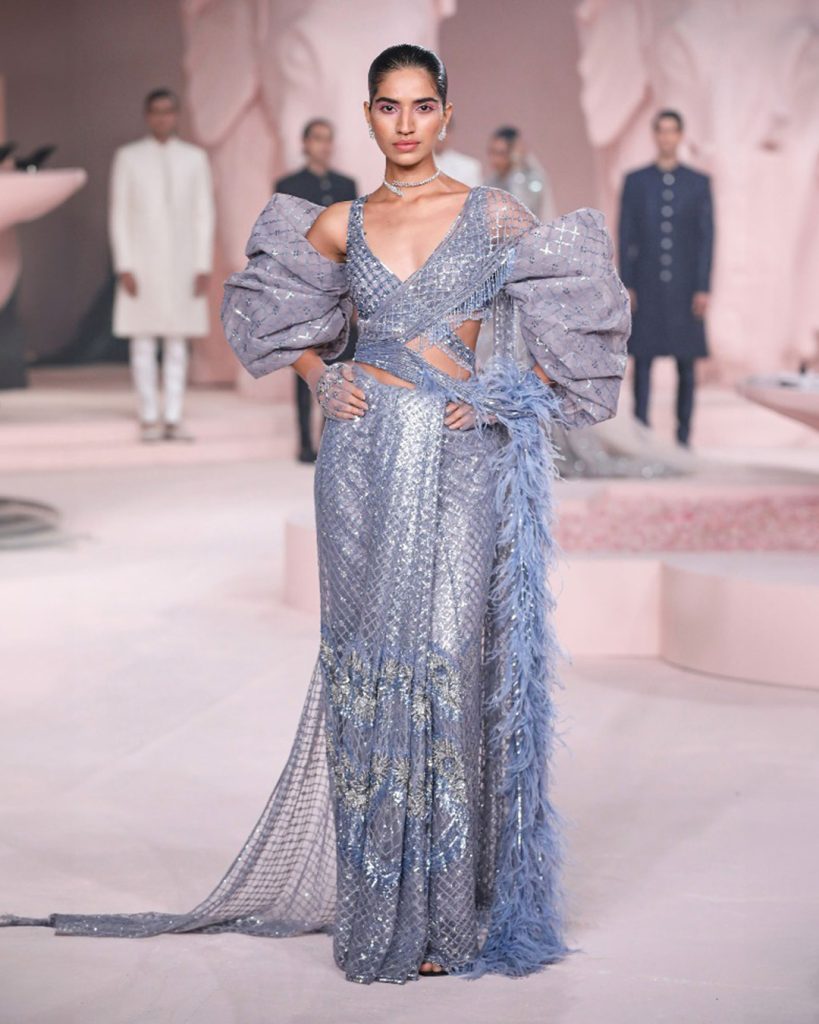
A gown is a formal garment that falls under the category of dresses and is designed to be worn for special events. The word is often used for dresses that have a more formal, ceremonial, or specialised purpose, although its exact meaning depends on context.
Characteristics Of A Gown
Some of the common characteristics that are specific to gowns are as follows:
Long length: Typically features a floor-length. However, other versions, like the tea-length (above the ankle) and ballerina length (mid-calf), are also worn occasionally.
Structured bodice: Most gowns feature a bodice that sits closely to the body and may be corseted or shaped to fit.
Full skirt: The full-length skirt could be straight, pleated, flared, layered, or dramatically voluminous.
Decorative details: Formal gowns may feature embroidery, beads, sequins, lace, draping, trains, or other embellishments.
Specialised fabrics: Some of the popular fabric options used for evening gowns or cocktail gowns are silk, satin, chiffon, tulle, and velvet.
Types Of Gowns
The term can refer to several different garments:
Evening gown: A formal gown style, specifically worn for events like galas, black-tie events, and dinners.
Ball gown: A formal gown silhouette that features a fitted bodice and a large, full skirt.
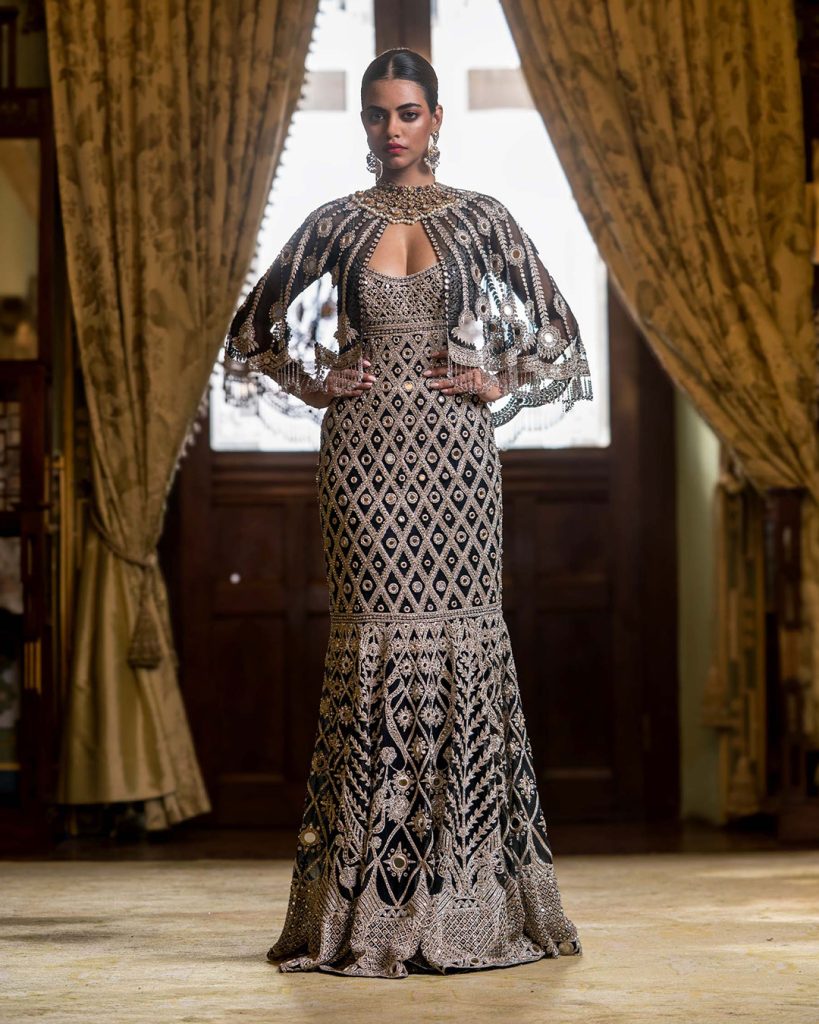
Mermaid gown: A glamorous silhouette that fits closely through the bodice, thighs, and hips, then flares dramatically at the knees.
Trumpet gown: It may look similar to a mermaid gown, but the flare starts gradually around mid-thigh rather than at the knee.
A-line gown: A universally flattering silhouette that gradually flares out from the waist down, creating the shape of the capital letter “A”.
Wedding gown: One of the most crucial ones is a wedding gown worn by brides for their big day. It is a formal gown and can be picked in any silhouette to suit the bridal aesthetic.
Gown vs Dress: Key Differences
| Feature | Dress | Gown |
| Length | Usually long, often floor-length or ankle-length | Can be short, knee-length, midi, or long
|
| Formality | Generally, more formal and elegant | Ranges from casual to formal |
| Structure | Often more structured, with flowing skirts, layers, or fitted bodices | Usually simpler and can be fitted, loose, or casual |
| Occasion | Common for weddings, balls, galas, proms, and formal ceremonies | Suitable for everyday wear, parties, work, dates, and formal events
|
| Overall style | Often dramatic, sophisticated, and occasion-specific | More versatile and available in a wider range of styles |
How Is “Gown” Used in Indian Fashion Retail?
In the Indian fashion retail market, the term “gown” refers to an Indo-Western creation, inspired by the Western floor-length outfit. Similar to all the different silhouettes and styles in Western fashion, Indian gowns can also be explored in several variations.
Some Of The Hybrid Gown Styles In India
Saree gowns: Saree gowns have emerged as one of the best hybrid gown styles in the Indian fashion market. It features a stitched skirt with an attached pallu and a matching blouse to create an outfit that has a drape similar to a saree but carries the ease of a gown.
Lehenga gowns:Lehenga gowns, on the other hand, combine the traditional embroidery and massive flare of a lehenga to create a one-piece outfit that mimics the structure of a Western evening gown. If you are new to the silhouette, here is what is lehenga and how it differs from a ghagra.
Anarkali gown: A floor-length iteration of a traditional anarkali kurta that often features a long, frock-style skirt attached to a fitted bodice.
Cape and jacket gowns: This one features a gown paired with detachable capes, short boleros, or long jackets for a layered look.
FAQ’s
What is the difference between a dress and a gown?
The word ‘dress’ is used as an umbrella term for any one-piece garment with a bodice and attached skirt. While a gown is a specific type of formal, long dress usually worn for special occasions.
Is a gown just a fancy dress?
A gown is a type of dress and is reserved for occasional wear. So technically, you can say that a gown is just a fancy dress.
What makes a dress a gown?
A dress can be called a gown when it has formality, length, and structured designs. A floor-length dress designed for formal or black-tie events is made using refined fabrics and doesn’t feature any characteristics that you find in a casual dress.
Are all gowns considered dresses?
Yes, every type of gown falls under the category of dresses.