
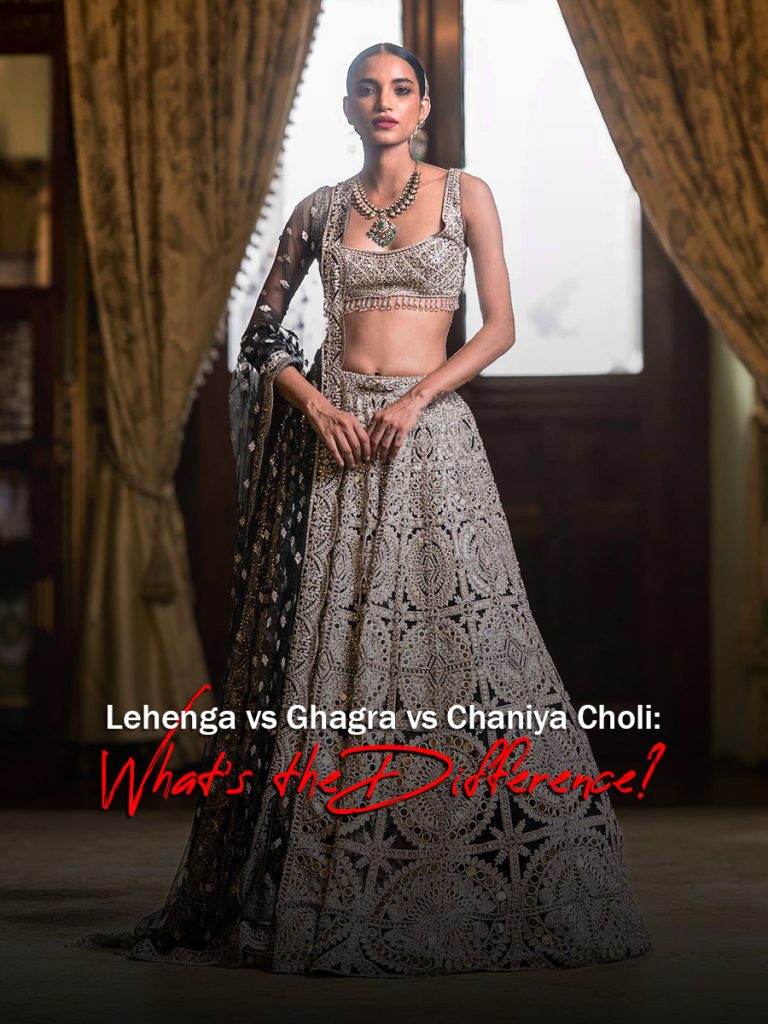
When exploring traditional Indian wear, the terms ‘lehenga‘, ‘ghagra’, and ‘chaniya choli’ are often used interchangeably, but they are not quite the same. Understanding the difference between a lehenga, ghagra, and chaniya choli can help you choose the right outfit for weddings, festivals, and other celebrations.
While all three feature a flared skirt, their styling, regional influences, and accompanying pieces set them apart. A lehenga is typically a coordinated ensemble, a ghagra is often associated with a skirt paired with a blouse and dupatta, and a chaniya choli has strong Gujarati roots. Let’s explore their key differences, similarities, and unique features.
What Is a Lehenga?
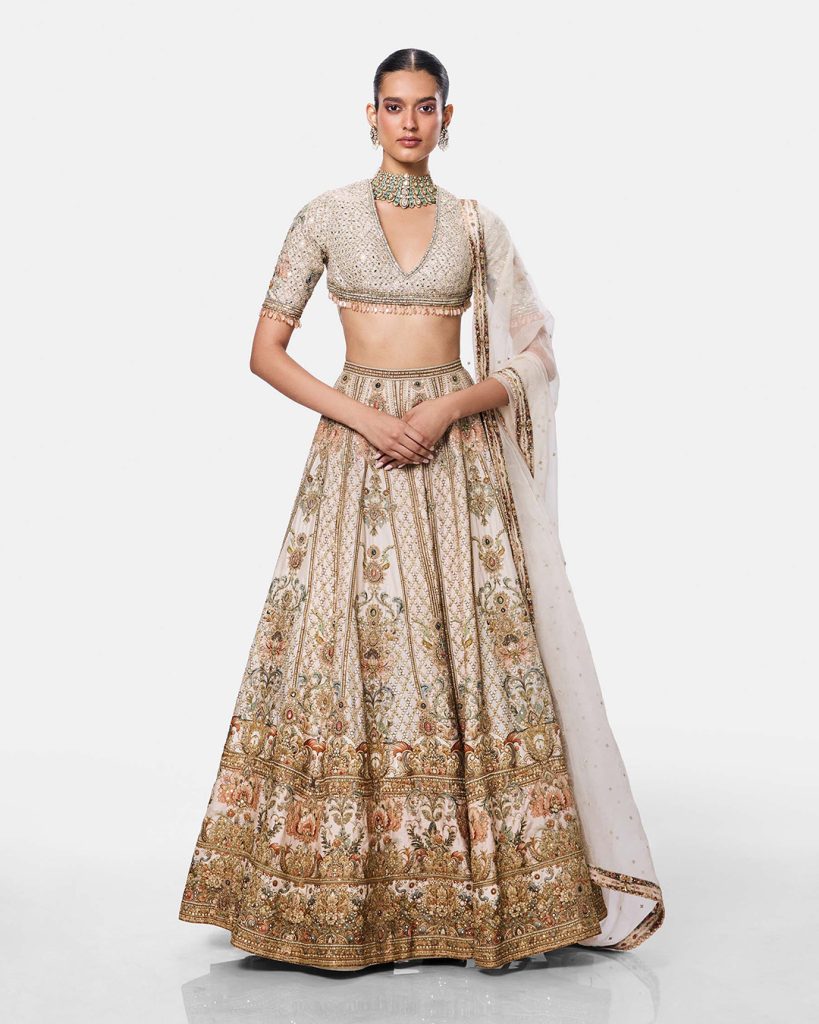
A lehenga is a traditional Indian attire that features three elements: a skirt, a blouse, and a stole (dupatta). A lehenga is not a daily-wear outfit and is reserved for special occasions only.
The three elements that make up the outfit include:
Lehenga: A long, floor-length skirt featuring unique silhouettes, often adorned with intricate embroidery and adornments or vibrant prints.
Choli: A cropped, fitted blouse often featuring matching embroidery that complements the skirt.
Dupatta: A long stole worn over the shoulders or draped around the body for the desired look.
What Is a Ghagra?
A ghagra is a regional iteration of a lehenga, popular in northern India, especially in Rajasthan and the Hindi belt. Unlike lehengas, ghagras are lighter, as they are made out of breathable fabrics and feature regional detailing like block prints, bandhani tie-dye, and mirror-work.
The three elements that make up the outfit include:
Ghagra: A full-length skirt featuring a voluminous flare and numerous pleats, often worn slightly lower on the waist for regional, festive occasions.
Blouse: A fitted cropped blouse matching the ghagra.
Dupatta: A long stole that is styled over the head or shoulder.
What Is a Chaniya Choli?
A chaniya choli is another regional iteration of the lehenga, popular in the state of Gujarat, and is most famously worn during Navratri for Garba and Dandiya. Made of lightweight fabrics, the chaniya features a giant flare that adds movement while dancing.
The three elements that make up the outfit include:
Chaniya: A long, pleated skirt with a massive flare. It often features vibrant colours and regional embroidery and patterns, such as tie-dye, mirror-work, etc.
Choli: A cropped, fitted blouse with matching embroidery or print as the skirt.
Dupatta: A long stole or shawl with matching prints, lace borders, or tassels.
Key Differences: Silhouette, Fabric, Region, and Occasion
Difference Between Lehenga vs Ghagra
| Feature | Lehenga | Ghagra |
| Silhouette | Features a structured, high-waisted fit. The skirt is often made of triangular panels called kalis for a flared look.
| Has a relaxed, voluminous, and heavily pleated skirt that sits slightly lower on the waist. |
| Fabric | Luxe and heavy materials like silk, georgette, organza, and velvet are used.
| Lightweight, breathable fabrics like cotton, chiffon, and lighter silks are used. |
| Embroidery | Popular styles like engagement lehengas feature heavy and ornate detailing like zari, zardozi, beads, sequins, and stonework. | Focuses more on regional crafts like Leheriya, Bandhani tie-dye, mirrorwork, and block prints.
|
| Region | Popular across North and Central India for bridal, wedding, and festive wear.
| Deeply rooted in rural folk traditions of Rajasthan and Gujarat. |
| Occasion | Suitable for weddings, receptions, engagements, and formal celebrations. | Worn for cultural events, folk performances, and festivals like Navratri. |
Chaniya Choli vs Lehenga
| Feature | Chaniya Choli | Lehenga |
| Silhouette | Features a circular and heavily gathered flare designed for spinning and high-energy movement during garba and Navratri.
| Features a structured silhouette, ranging from panelled and A-line to layered styles for a dramatic flare and volume. |
| Fabric | Tailored from lightweight and fluid fabrics like cotton, cotton-silk, and light georgette.
| Richer and heavier drape materials like silk, brocade, velvet, net, and satin are best suited for reception lehengas. |
| Embroidery | Features regional art and embroidery like bandhani, gota patti, mirrorwork, etc.
| Showcases skilled craftsmanship with intricate zari, zardozi, stone work, crystal detailing, and sequin work.
|
| Region | Popular in the Western and North-western regions of India, specifically Gujarat.
| Worn widely across Pan-India as a popular bridal and festive attire. |
| Occasion | Primarily worn during Navratri for garba and dandiya nights and other community celebrations. | Ideal for celebratory events like weddings, sangeets, engagement ceremonies, and reception parties.
|
Difference Between Lehenga vs Choli
| Feature | Lehenga | Choli |
| Silhouette | A tailored, structured long skirt that can vary in shape, including A-line, circular, flared, panelled, or mermaid cuts, designed to create an elegant and formal look.
| A cropped, fitted blouse worn with the lehenga, and can be tailored in numerous versions like corsets, off-shoulder cuts, peplums, and deep necklines.
|
| Fabric | Often uses heavier, regal-looking fabrics like silk, tulle, brocade, and velvet.
| Usually made from the same fabric as the lehenga. |
| Embroidery | Features heavy embroidery techniques like zari, zardozi, sequins, crystals, and stone detailing. | Uses similar embroidery and adornments as the matching lehenga, sometimes with the addition of tassels.
|
Which One Should You Wear?
By occasion
Lehenga choli:
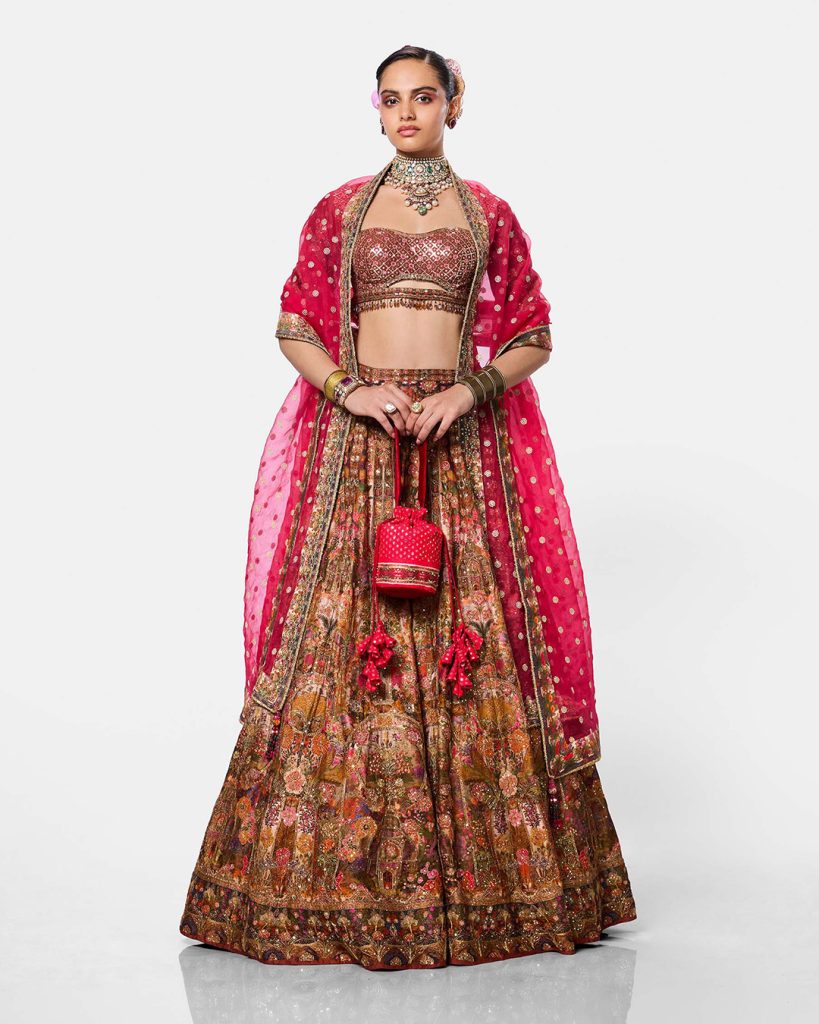
Choose a lehenga for weddings and related events like engagements, cocktails, receptions, etc., as the structured silhouette, rich fabric, and ornate embroidery command a formal presence.
Chaniya choli:
It is best suited for cultural celebrations like garba, dandiya nights, and folk-dance celebrations and specifically features a wide, fluid flare made out of lightweight fabrics to ensure comfort for extended hours.
Ghagra choli:
A ghagra choli is the preferred attire for cultural celebrations and regional weddings, especially in the North and Western parts of India, including Rajasthan, Uttar Pradesh, and parts of Madhya Pradesh.
By season
Summer/Hot Weather
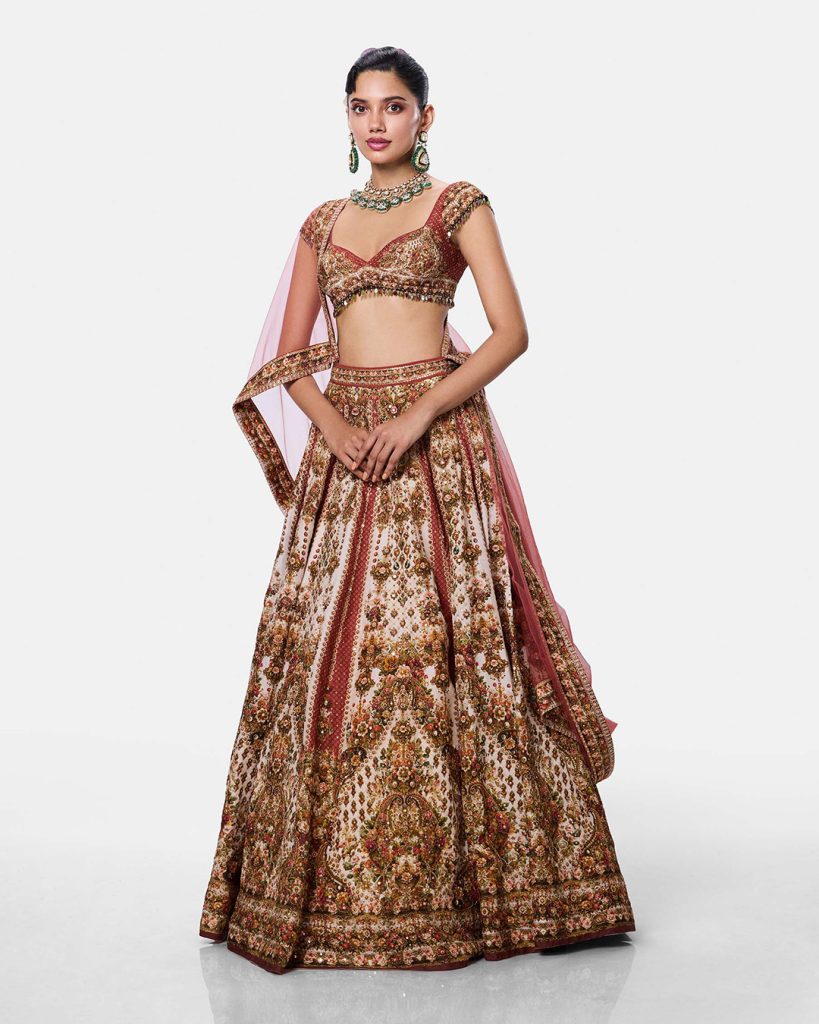
For summer weddings, lightweight bridal lehengas with subtle embroidery or vibrant prints are one of the best picks. If it is a regional wedding, then a chaniya choli or ghagra choli made from breathable fabrics will be a more suitable choice. Avoid anything that features heavy embroidery or is made of thick fabrics that trap heat.
Winter/Wedding Season
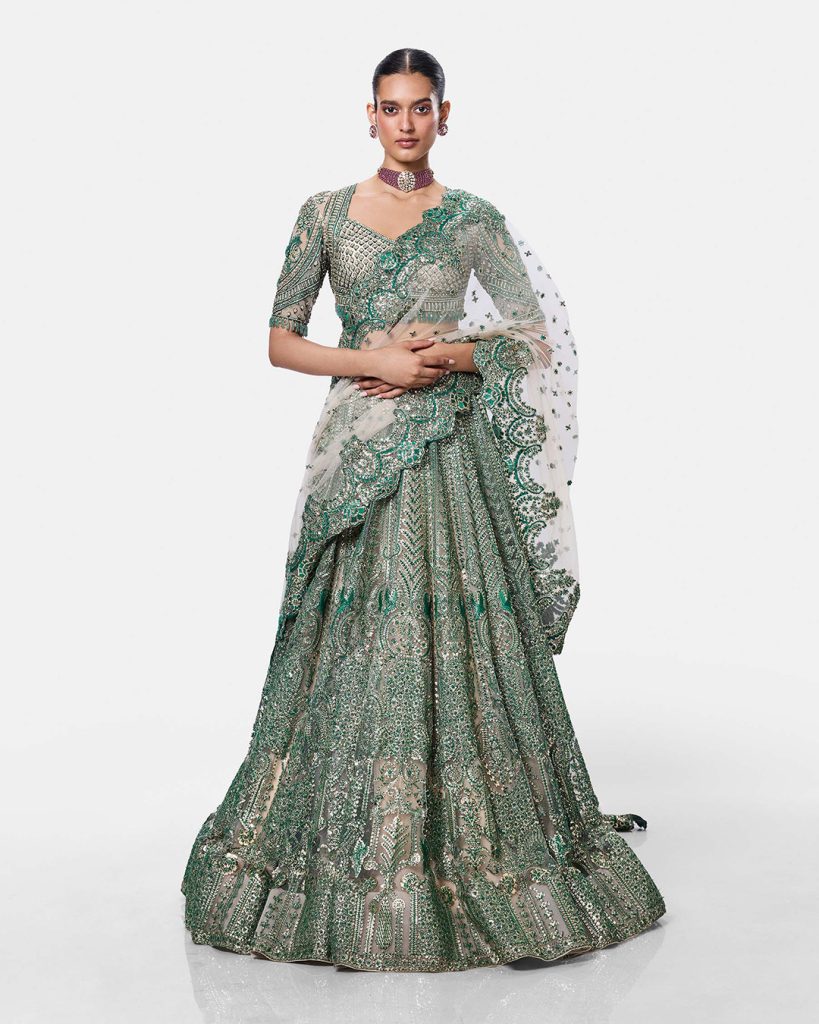
Go all out during the colder months with stunningly intricate embroidery and adornments and luxurious fabrics, including silk, velvet, and brocade. Choose a lehenga if you want a universally fashionable look or go for a ghagra or chaniya choli if you want to look culturally appropriate. Either way, you have a plethora of options to choose from during the winter wedding season.
Final Thoughts
At the end, it all comes down to personal preferences. However, lehengas are still a more popular choice among women. Ghagra and chaniya choli hold greater significance in regional and cultural circles.
FAQs
When comparing chaniya choli vs lehenga, are they the same?
Visually, the two may look similar, but they do differ in various key characteristics like silhouette, fabric, occasion, region, and embroidery.
Can you wear a ghagra choli to a wedding?
Yes, you can wear a ghagra choli to a wedding.
Which is easier to dance in, a lehenga or a ghagra?
It depends on the type of lehenga or ghagra you choose to wear. If you want to dance freely, opt for a lehenga or ghagra that is not too heavy and allows unrestricted movement.